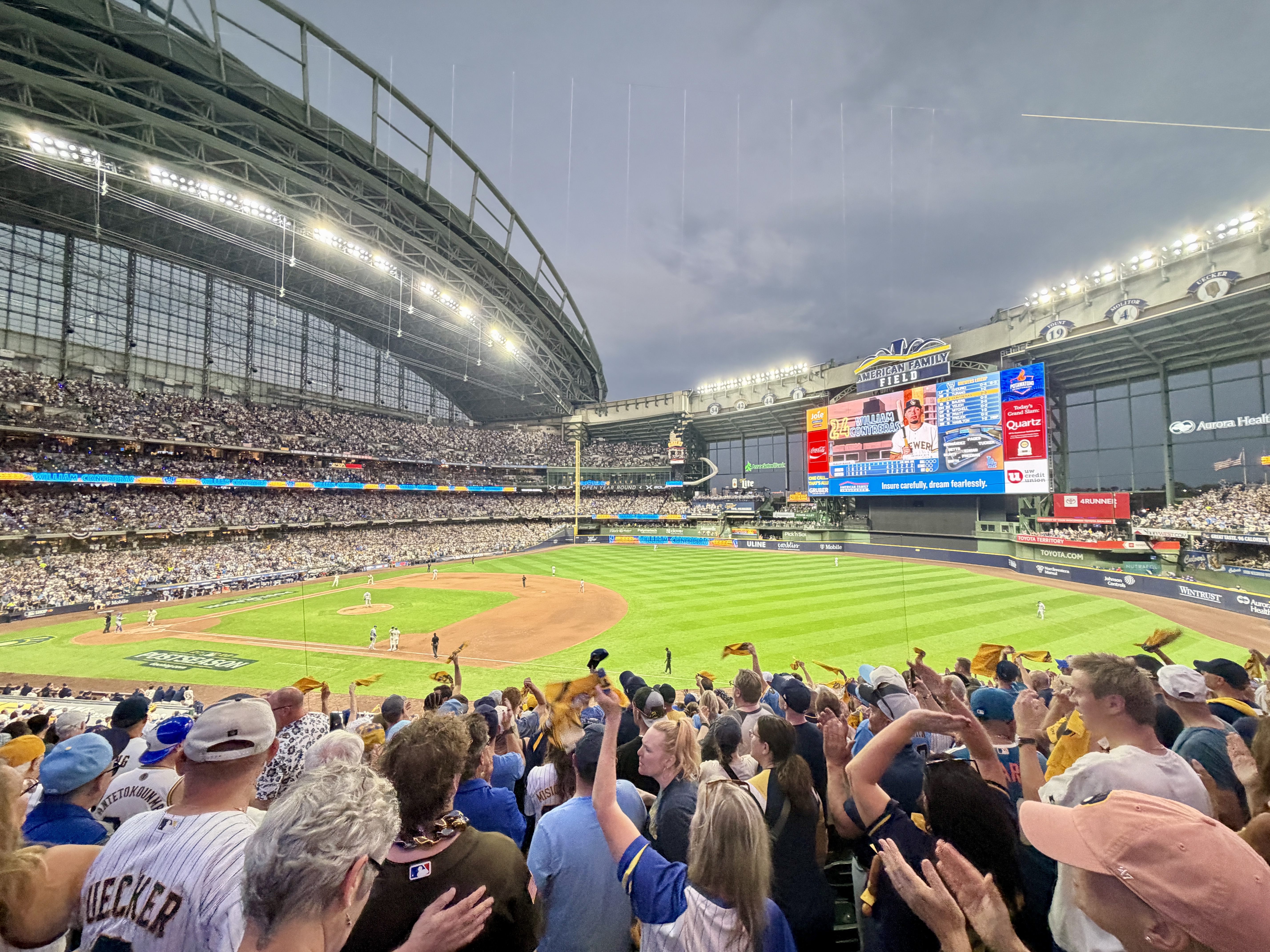
On August 15, the Buffalo Bills played their first preseason game in the new Highmark Stadium. The rally towels in the stands carried the names of the construction crews who built it.
That was Carhartt.
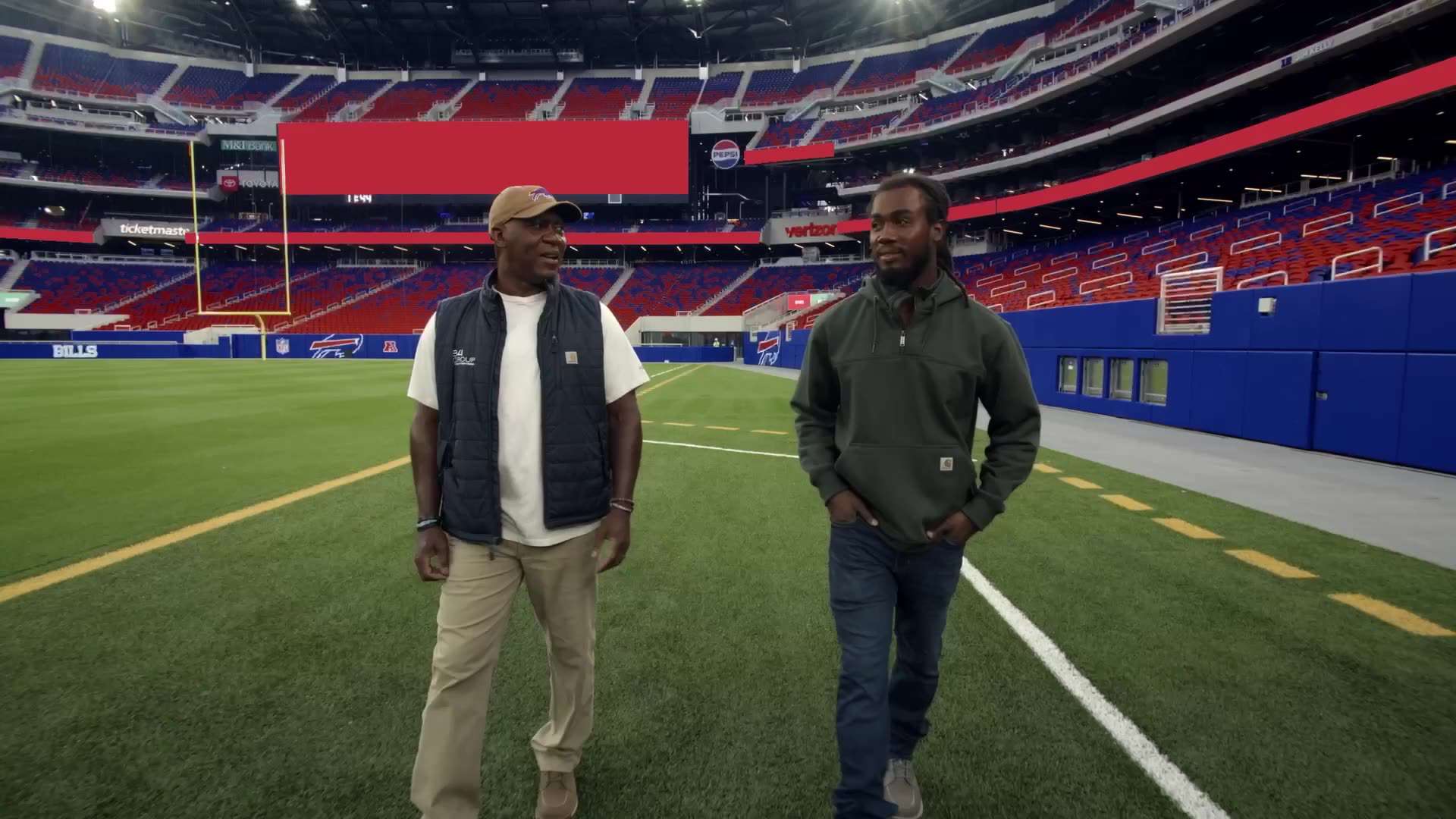
The workwear brand filmed the tradespeople across two years of construction. Its “Making Football Possible” spot runs game day in reverse, from the fans cheering back to the seats going in, the sod being rolled and the uprights going in. In a second film, Thurman Thomas gives running back James Cook III a tour. Thomas's construction company, 34 Group, installed the stadium's seats. See the campaign.
The commitment extends beyond the camera. In August 2025, Carhartt announced $300,000 to support vocational programs in Western New York.
Football gave Carhartt a national stage. The people who built the stadium gave it a story that fits this brand and few others. Look at what Carhartt chose to show: the process. Two years of it, with the names of the people who did the work.
I think this is where the game changes in 2027.
At Digiday's September 24 gathering of brand marketers, one participant described the prevailing mindset as “good enough, go.” Another complaint: agency creative arriving with the brand's logo wrong. The internet already has a word for what that produces at volume: slop. Every channel is filling with content that was easy to make and shows no sign that anyone was there.
Producing more content has become easier. Giving someone a reason to believe remains hard.
AI can generate an image of a finished stadium. The stadium still has to get built. Customers still have to experience what you promise. The more generated work people scroll past, the more a real person, a real place and a real result stand out, and the higher the bar goes for anyone who wants to be believed.
Carhartt cleared that bar on four counts. The people are real and can explain what they did. The process is on film. The idea has craft in it, because running game day in reverse only works when something real is waiting at the end of the rewind. And the execution matches, down to the names on the towels.
For another company, the story might be a customer completing a difficult rollout, a technician keeping equipment running, or a family using a product in a way the marketing team has never seen. Show the customer. Show the process. Those experiences already exist, and the opportunity is to find the ones that answer a question your next customer is asking, then tell them with the care Carhartt gave a stadium.
Carhartt's marketing leader, Norma Delaney, told Digiday that traffic to its Join the Trades page was five times the year-earlier level. That's an attention signal tied to something the brand cares about. It doesn't tell us what every visitor did next, but it gives the team something more useful to investigate than whether people liked the ad.
What to do this week.
Before the 2027 plan locks, take your leadership team through a harder conversation than the content calendar.
- What does our brand stand for that nobody can generate? Start there, because that's what the real stories have to prove.
- Pull the last quarter of work and look at it the way a customer would. Where did we settle for good enough?
- Where would a real customer, a real process or a real result change what someone believes about us? That's where the bar goes up.
- Decide what we're willing to spend to clear it: the time to find the stories and the craft to tell them well.
Then watch what people do after they see the real thing.
From the portfolio
StoryTap, part of the HauerX portfolio, helps companies collect customer video through guided recordings on customers' own phones, then use those stories where buying decisions happen.
StoryTap reports that Hartz collected more than 350 customer videos in under six months. Product pages featuring the videos had three times the engagement of pages without them. It also reports that AAA Club Alliance increased average organic social video views by 154% using member stories.
A dog going after a favorite treat on a kitchen floor, filmed by the person who bought it, captures something valuable: a customer's actual experience. AI can imitate the scene. The value is in showing what really happened. Most brands have thousands of those moments and have never asked customers to share them.
If you want more real customer and consumer perspective in your marketing, from unboxings and first uses to people telling the story of what your product did for them, reply and tell me where it would help. I'll connect you with the StoryTap team.
When anyone can make the ad, what will make consumers believe yours?